In a region like ours, you’ll never have an excuse to be bored!
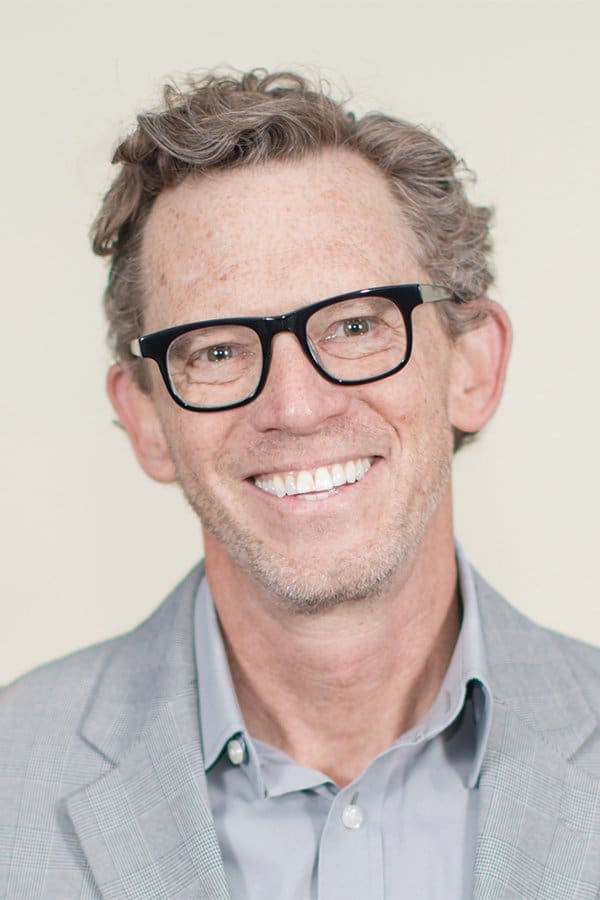
Douglas Jackson is a development specialist with the Virginia Department of Housing and Community Development. After studying creative writing at Hollins, he applied for the Roanoke Arts Commission. Nineteen years later, he’s still involved as the City’s arts and culture coordinator and happily contributing to the place he calls home.
Learn more about the Roanoke Arts Commission and how local art impacts our community on their website.
There’s something special in the communities we love among Virginia’s Blue Ridge. I felt it when I landed here no more than 20 years ago, eager to explore the character of a place that clearly continues in a long line of believers, business leaders, investors and, as our tourism friends say, lovers. What we really care about shows in the places we actively create around us.
From the star atop Mill Mountain to Botetourt’s historic towns, Franklin County’s Crooked Road destinations and the unique characters of Main Street Salem and Downtown Vinton, we’re still forming a region of special places. For these, our arts offerings are key drivers. Our communities are filled with creative people making our places even better.
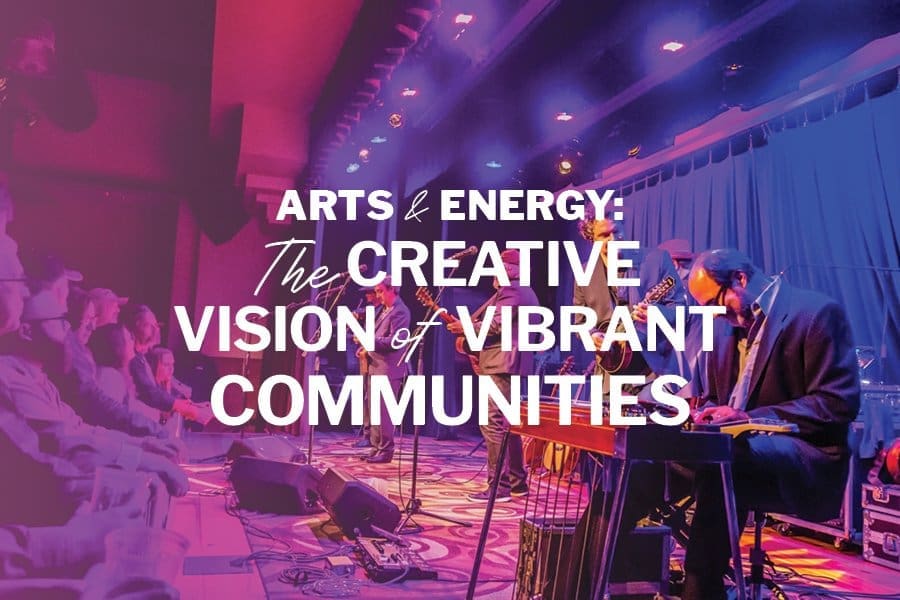
The region surprises with its cultural riches: the Taubman Museum of Art; specialty history museums; a symphony; opera, ballet and theatre companies; galleries and festivals; and collectives of creators popping up in public spaces to sketch, make, paint, drum, jam, dance, juggle, sing and even read together. I suspect that for all of those attracted to the area’s ease of living, natural beauty and outdoor access, there are as many staying because it’s a great place to create. These creators rightly feel they are contributing to something — and someplace — special through their very specific activities and devotions.
Consider the artist, the nonprofit board member or volunteer, the local event organizer, the concert promoter and even the number-one fan eager for the front-row excitement of being part of something they love. Theirs are the loves that bring a community to life. Their creativity equates to vision. Artists, after all, make a life in seeing what’s not yet there.

These enthusiasts are tenacious. When we share the things that get our engines revving, we can be unrelenting. Speaking of engines, car shows are a great example: those proud, hard-laboring mechanics nearly pop shirt buttons with pride, creative spirit and the desire to connect over their cars.
It’s that spirit and fortitude strong communities require. The same energy radiates from music lovers and history buffs, dance aficionados and architectural preservation advocates. It vibrates across the crowd gathered over locally grown foods at the Grandin Community Market.
Virginia’s Main Street communities know that their arts and cultural assets are a ready battery of this community-building energy. Across the state, downtowns and neighborhoods are working to retain and strengthen the much-loved historic character of traditional business districts. Each of these public-private partnerships are pursuing community investment strategies with guidance from the Virginia Department of Housing and Community Development and in most of them, you’ll see local arts and culture as a key leverage point.
It makes sense. Our passions are the heart of things. They define our communities, make towns destinations and create cities that shine. These places we shape together — as an entrepreneur, artist, volunteer, council member, worker, manager, banker, builder.
Let’s celebrate the progress we’re making in our Virginia Blue Ridge communities, many of them currently pursuing Main Street strategies.

When Roanoke County leaders located an architecturally striking library in Vinton’s business district, town leaders were already at work imagining and fostering what we experience at the town’s core today. They invested in infrastructure, facade improvements, events and support for entrepreneurs. Restaurants, coffee shops, the lively market, retail shops, a popular brewery, murals and an active pottery studio all contribute to a lively, walkable core. Exploring your own creative passion and niche pursuit? The library is the place! Anchoring this district of entrepreneurs and creators pursuing their dreams with a cultural and information resource was a smart move.
Salem’s Main Street has undergone a tremendous improvement through thoughtful development of housing and lodging opportunities. New streetscape and business investments are possible in part because of the cultural engine of Roanoke College. The school is a destination for lectures, exhibits, visiting parents, faculty, hungry students and even attendees of the region’s long-running Elderscholar program. Main Street arts and crafts venues, a popular brewery, restaurants and the Salem Farmer’s Market all contribute to Salem’s strengthening identity.
Botetourt County offers a variety of historic small-town experiences and the rapidly growing Daleville Town Center, itself centered on a programmed seasonal performance space. The front-yard amenity connects residents who linger for performances among the shops and restaurants. With growth in Botetourt’s population come additional resources to help attract new industrial investments and to strengthen the towns, each with their own rooted character and sense of place.
Home to the studio of artist Ed Bordett, Fincastle has a self-guided tour of historic structures that offers a sense of how this community inspires creativity and care. Here, progress means understanding the history and roots of community character.
To better understand Buchanan, check in with the volunteers of the Buchanan Town Improvement Society, founded in 1903 and headquartered at the historic Wilson Warehouse. A walking tour explores layers of commercial history and highlights an arts institution with community heart: the nonprofit 1919 Buchanan Theatre offering late-run and classic films.
Troutville adds to the region’s metro mountain mix with a trail town identity and a family feel. It’s home to Sarah Melendy’s Mountain Thyme Honey and if you want to see entrepreneurial, community-building enthusiasms in action, just visit this beekeeper to share in her love of nature and place.
Franklin County seat Rocky Mount is an easterly gateway to The Crooked Road, an intentional strategy to promote the region’s traditional music heritage and position Southwest Virginia towns as cultural centers. Downtown Rocky Mount has carved out a place as a destination for music lovers found jamming bluegrass at the Dairy Queen and packing The Harvester for renowned acts. Visiting, you get the feeling that the whole town is in on the act, putting on a show and celebrating together. That’s because they are.

You can’t talk about arts and culture without Downtown Roanoke, which has long built upon creativity, the arts and humanities and our historic assets. Center in the Square led the way as a national model and it’s surrounded by world class public spaces, unique architecture, stalls of farm fresh produce and artisan wares. The greenway stroll to Elmwood Park’s art walk, amphitheater and Main Library exhibit the enormous care and energy of a community that believes in and creates itself.
The Roanoke exploration has to include Gainsboro. The history of urban renewal and what was lost must be part of the conversation. The arts and humanities help us understand who we are and that’s sometimes shaped by dark days in our national policies and local action.
Mural images by the late David A. Ramey near Henry Street help us discuss what can happen when we aren’t building upon our rich cultural assets or valuing the voices and talents of all of our residents. Signs along Henry Street now describe it, and it’s discussed in programs of the Gainsboro Library. Recent investments such as the Gainsboro Road narrowing only begin to address the past damage and beg further support for the self-determination and goals of neighbors. They point us to the future of the city.
That future includes lessons from our neighboring towns and downtown districts pursuing Main Street strategies. How can we build on our arts and cultural assets in Roanoke neighborhoods that haven’t yet seen the investment of Crystal Spring, Wasena and Grandin Village — each of which has services benefitting neighbors, as well as art, culture, local food, history, retail, entertainment and gathering spaces? Driving upon any one of them invites you to stop to connect, linger, explore.
With strategies like neighborhood artists in residence, Arts Connect Neighbors, the Daisy Art Parade and participation in the state’s Mobilizing Main Street program, the City of Roanoke is actively working with neighbors in strategies outlined in the Emerging Neighborhoods Vision Report to create environments in which public dollars might facilitate additional private investment, so that more Roanoke neighbors can meaningfully reinvest in and benefit from walkable commercial districts.

At Melrose Plaza, let’s strengthen neighborhood businesses by building upon the streetscape work, library, Harrison Museum of African American Culture and other critical new cultural, educational and health amenities. Let’s reinvest in West End, 11th Street NW, with its Hope Center, The Collective, and six murals and Gainsboro home of the Dumas Center. Neighbors are already creating murals, artistic bus shelters and celebrating their corner of the city through the eyes of resident artists.
Let’s add these neighborhoods to the Main Streets of Virginia’s Blue Ridge. Each has leaders already envisioning and creating. Last year, more than two dozen active arts and culture nonprofit organizations developed a collective tagline: “Creating every day the place we want to be.”
That’s the spirit.
Invest now in ourselves to benefit coming generations. Do it as we’ve done across the region all along: by building on the creative and cultural pursuits and legacy that neighbors care about most. Tap our passions in imagining and driving what’s possible next. And let’s celebrate each other as we create these places, together.
The story above is from our January/February 2026 issue. For more stories like it, Subscribe Today. Thank you!