


Pets bring routine, connection, and purpose, but they also need a plan for when life changes.
For many retirees, pets aren’t just part of the household—they’re part of the rhythm of daily life. Feeding schedules, walks, vet visits, quiet companionship. It’s structure, connection, and, for a lot of people, purpose.
That bond is common and significant. More than half of adults over 50 have a pet, and say those animals help them enjoy life, stay active, and feel connected. But like most parts of retirement planning, the day-to-day is only part of the picture. The longer view—what happens if circumstances change—is often the harder conversation.
It’s also the one more pet owners should take seriously.
When Routines Change
One of the realities of retirement is that routines evolve. Health issues, travel limitations, mobility changes, or even something temporary, like a hospital stay, can disrupt the ability to care for a pet.
Those situations don’t have to be dramatic to matter. Many planning gaps show up in short-term scenarios: Who feeds the dog if you’re away overnight unexpectedly? Who has a key to your house? Who knows your pet’s medication schedule?
Organizations like the Roanoke Valley SPCA and Angels of Assisi recommend having an emergency plan—not a long-term solution, just a simple, practical one. That can include naming a neighbor, friend, or family member who can step in quickly if needed. It’s a small step, but one that can prevent bigger problems later.
For people living alone, it can be even more important. Pets depend entirely on their owners for care, and without a plan, even a short disruption can leave them without food, water, or access to the outdoors.
Thinking Beyond the Immediate
If the short-term plan is about continuity, the long-term plan is about stability. It’s the question most people avoid: What happens to a pet if its owner can no longer care for it?
It’s more common than most realize. A meaningful share of animals entering shelters each year arrive because an owner has died or become unable to care for them. And those transitions can be especially difficult for older pets who may already be dealing with health issues or established routines.
The simplest approach is identifying a future caregiver. But experts consistently note one thing: Don’t assume. Even well-meaning friends or family members may not be able to take on a pet when the time comes.
Instead, it helps to have a conversation early, confirming not just willingness, but practical factors like space, time, and cost. A backup option is just as important, in case circumstances change.
Some owners also choose to take it a step further, incorporating pet care into estate planning. That can range from a written agreement to more formal tools like a will or a pet trust, which sets aside funds and outlines care instructions. Not everyone needs a formal arrangement, but clarity is necessary when setting a goal.
The Financial Side of Care
Pets bring comfort, but they also carry ongoing costs, which can increase over time.
Among older adults, nearly one in three say pet care strains their budget. Veterinary care tends to increase as pets age, and unexpected medical issues can add pressure to a fixed income.
That’s why part of planning isn’t just who will care for a pet, but how. It’s recommended to estimate annual costs—including food, medications, and vet care—and use that as a guide when thinking about long-term support.
Even informal planning can include small steps, like setting aside funds or naming a caregiver who is comfortable with the financial responsibility. For some, that may mean leaving additional resources in a will to offset future expenses.
Aging Together
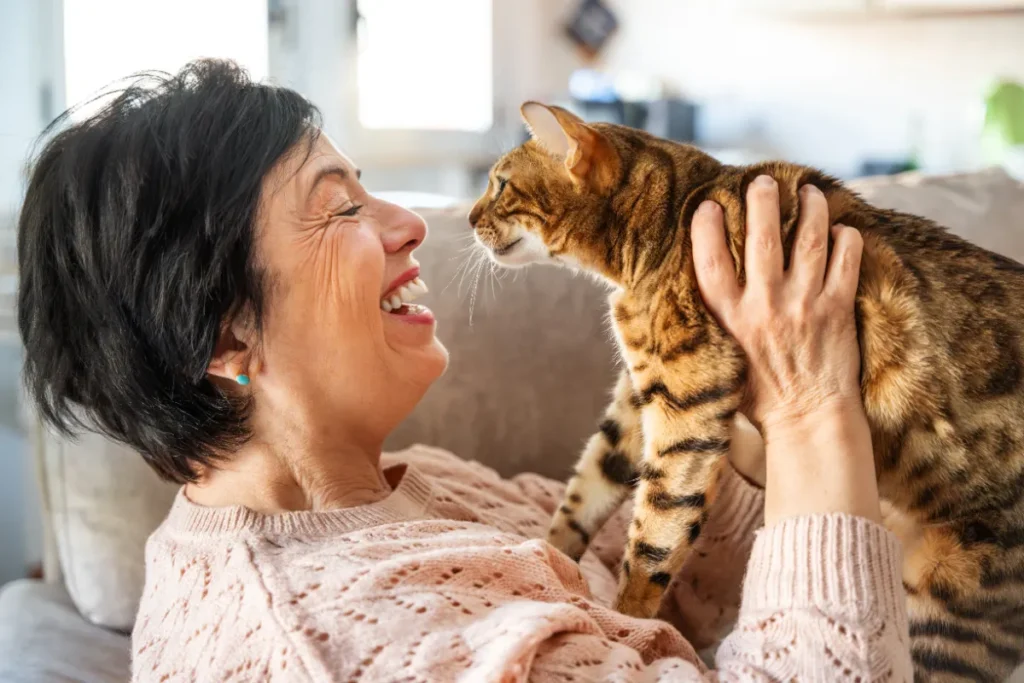
There’s another layer, too: Pets age right alongside their owners.
Senior pets often need more frequent veterinary visits, ongoing monitoring, and adjustments to daily routines. That can mean more time, more cost, and more flexibility—all things that factor into retirement planning in subtle ways.
In some cases, it also shapes decisions about housing. Pet-friendly assisted living and senior communities are becoming more common, in part because of how strongly people value staying with their animals. Still, policies vary, and planning ahead can make transitions smoother if they become necessary.
Keeping the Bond, Planning for Change
A consistent theme in conversations around pets and retirement is that the goal isn’t to complicate ownership, but to make it sustainable.
Pets can support healthy aging in meaningful ways, providing companionship, encouraging movement, and helping reduce loneliness and stress. That’s part of why so many retirees choose to keep them as part of daily life.
But that same connection makes planning ahead important. It’s less about preparing for the worst-case scenario and more about ensuring continuity, so a pet’s life stays as stable and familiar as possible, even if something changes.
In practice, that often comes down to a few manageable steps: identifying someone who can help, putting basic instructions in writing, and thinking through how care would continue over time.
None of it has to be complicated. A little planning now simply helps make sure your pet’s life stays as steady—and as loved—as the one you’ve built together.


