The story below is from our January/February 2024 issue. For more stories like it, Subscribe Today. Thank you!
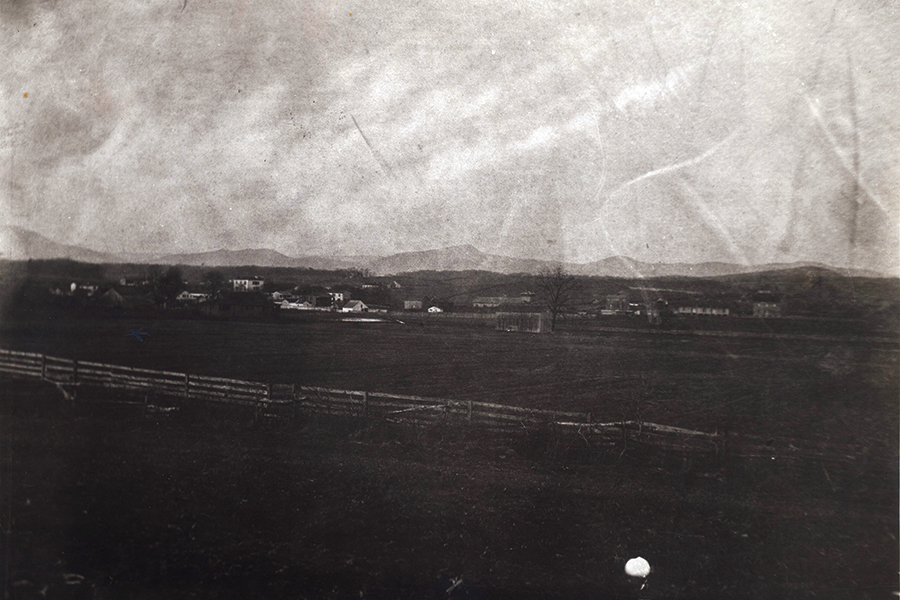
Photos Courtesy of the Virginia Room, Roanoke Public Libraries
Was a Botetourt County farmer responsible for creating Roanoke?
John Moomaw saw an opportunity that, if seized, would forever change the small village of Big Lick. Moomaw was a prominent orchardist in the Cloverdale section of Botetourt County in the early 1880s. Owning substantial land due to his fruit packing business, Moomaw was appointed an adviser and right-of-way agent for the Shenandoah Valley Railroad, as the railroad was looking to bring its track south to an undetermined intersecting point with the former Atlantic, Mississippi and Ohio Railroad.
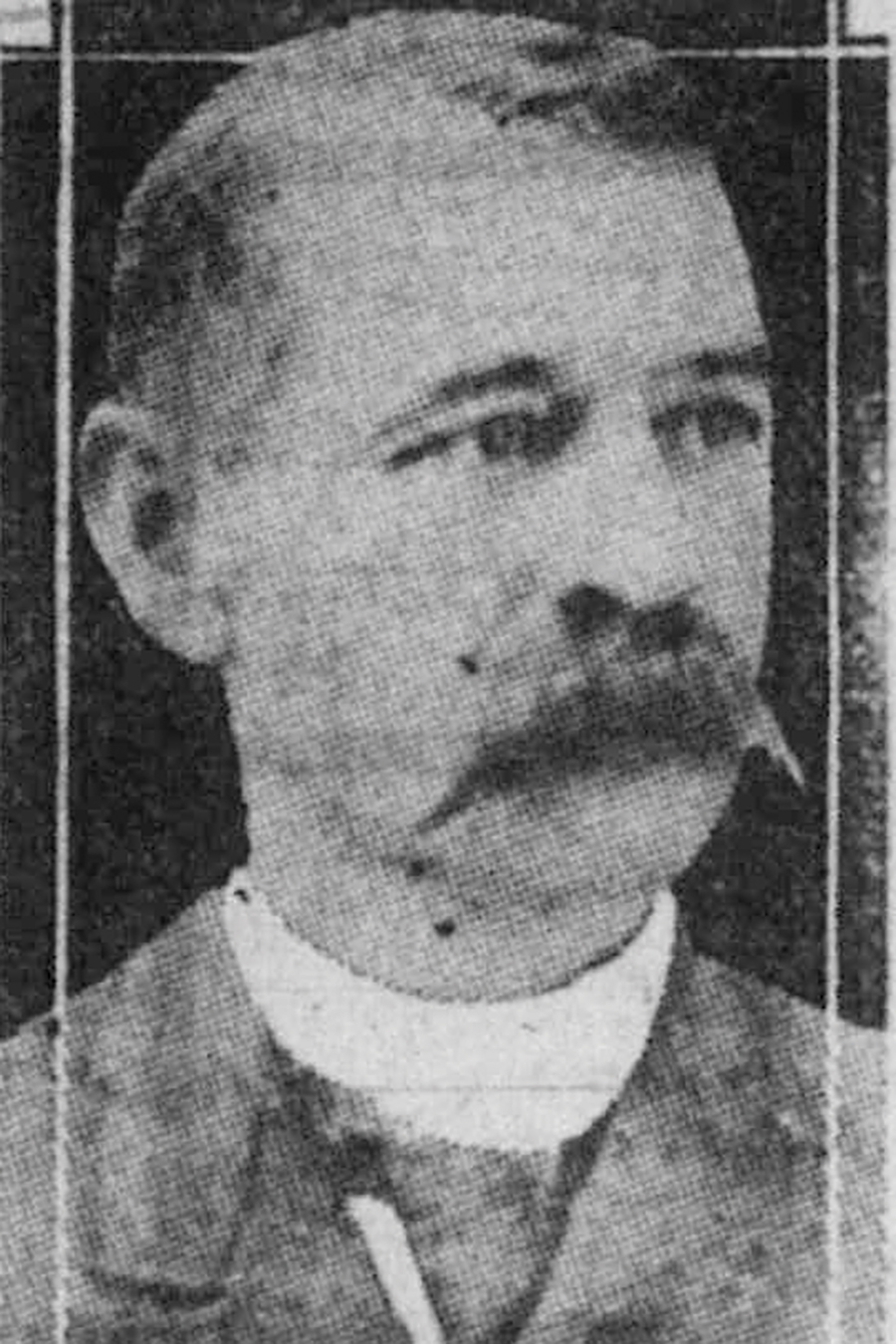
Preliminary surveys for the Shenandoah proposed the rail line be along the south side of the James River to Buchanan, then to Troutville, Cloverdale and finally Salem. Other proposals had the Shenandoah meeting the A.M. & O. line at Lynchburg or at a point in Bedford County. All the plans had numerous obstacles, so Moomaw devised a better one. He conceived the idea of the Shenandoah and A. M. & O. connecting at Big Lick. The fact that the line would cross his property was certainly part of his motivation, but no one could argue that the grade was better and rights-of-way less expensive to obtain. All that was left for Moomaw to do was to garner the support of Big Lick’s leaders.
Big Lick was little more than a railroad way station at the time. The town had a tobacco factory, a lumber and planing mill, a bank and a few small businesses. It hardly presented itself as a robust site for a major railroad hub. Moomaw, undeterred by Big Lick’s diminutive stature, organized a conference with its leading men at what was then called the Neal Tavern, a house near the village’s Commerce Street crossing. At the meeting, Moomaw suggested a petition of signatures along with a subscription of funds be immediately gathered that could be presented to Shenandoah officials who were convening in Lexington the next day. Several speeches were made by the town’s merchants enthusiastically expressing support for Moomaw’s idea. But time was of the essence. A petition was hastily written that promised railroad officials a terminal and $10,000 toward the effort of converting Big Lick into the railroad’s operational headquarters.
As signatures were being garnered and financial pledges secured, Moomaw left for Buchanan, leaving instructions as to how he could be reached should the effort materialize. Peyton Terry, who chaired the meeting, asked for a volunteer “to ride that night with the greatest message that Big Lick had ever sent out” according to an account written some decades later. Charles Thomas, the town’s sergeant, stepped forward.
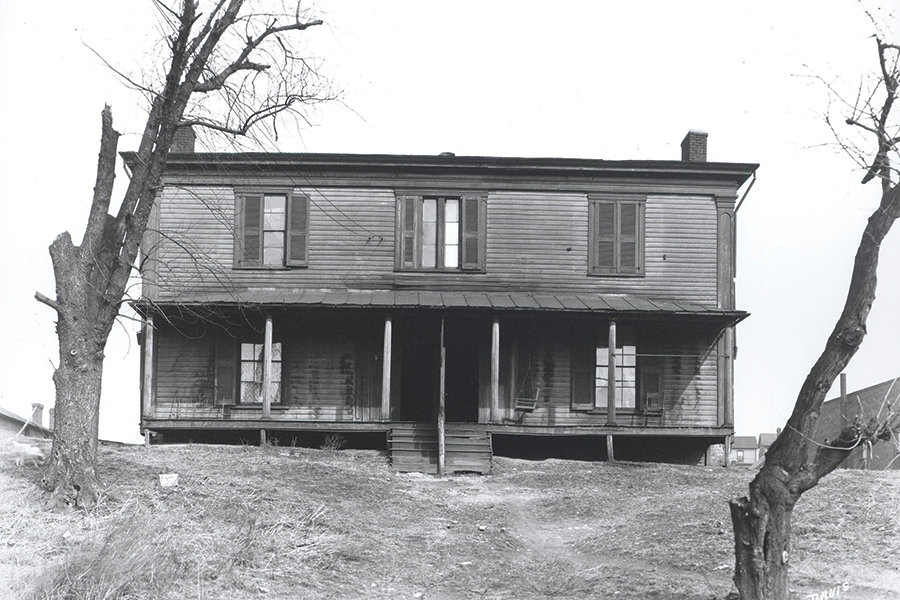
Years later, Thomas described his rendezvous with Moomaw. “It was not the poor little handful of money, but the progressive spirit of the Big Lick citizens that won for us the terminal of the Shenandoah Valley Railroad. While our near neighbors slept, we painted Big Lick red.” Thomas rode through the night, coming upon Moomaw at 1 a.m., who was waiting at a point near Arch Mills on Looney’s Creek. “’Mr. Moomaw, I have some very important papers that Mr. Terry entrusted me to deliver to you,’ and I thereupon handed him the package. He remarked in his quiet way, ‘Mr. Thomas, I believe these papers will bring the Shenandoah Valley Railroad to Big Lick.’ At this we parted, he turning his horse’s head toward Lexington, and I turning mine back toward Roanoke.”
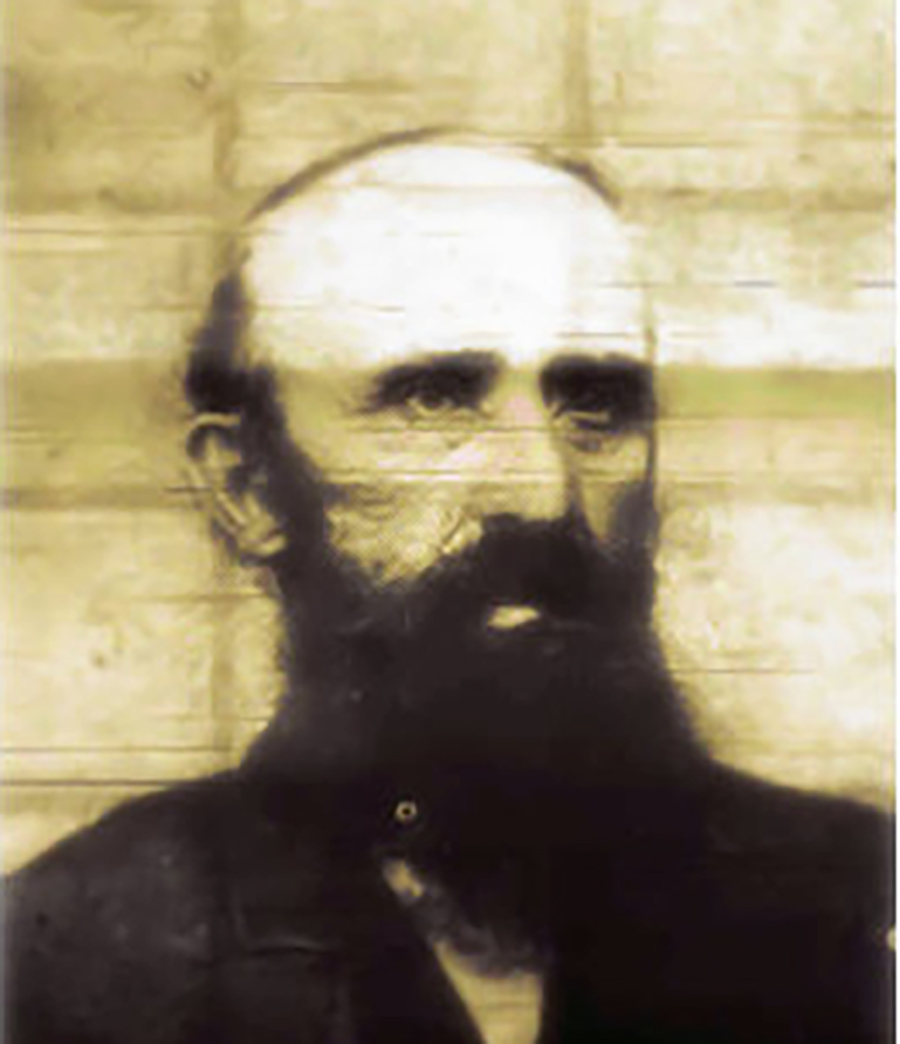
Thomas had ridden 23 miles that April night in pitch black darkness to meet Moomaw, and Moomaw had a 24-mile ride to reach Lexington. Reaching Lexington at daybreak, Moomaw made his presentation to the railroad officials later that morning, producing the petition and pledges. According to later reports, the Shenandoah’s board of directors voted unanimously for Big Lick and instructed its engineers to begin surveying. Shortly thereafter, a celebration of the news was held in Big Lick’s Rorer Hall with speeches, drinking and music by the Big Lick Band. Moomaw and Thomas were toasted, as they regaled the crowd about their storied ride.
The merged Shenandoah Valley Railroad and A.M. & O became the Norfolk & Western Railway, and in 1882, Big Lick was renamed Roanoke. The resulting explosion in population due to the railroad’s presence gave Roanoke its first moniker, “Magic City.”
Sadly, Moomaw did not live long enough to see the full fruits of his efforts, dying in 1886 at his home in Cloverdale at the age of 46. Thomas was later elected as Roanoke’s first treasurer, a position he held for many years. He and his wife spent their retirement years living at Guinea Mills in Cumberland County. When Thomas died at the age of 91 in 1946, headlines in Roanoke and around the state declared the death of “Roanoke’s Paul Revere.” Even the New York Times ran a small obituary for Thomas with the title “Man Carried Word of Railroad Offer in 1881.”
Today, a state highway marker sits along Route 11 in Botetourt County near Mill Creek Baptist Church close to the believed rendezvous point of Thomas and Moomaw, highlighting the story of their midnight ride that forever changed the history of Roanoke.
The story above is from our January/February 2024 issue. For more stories like it, Subscribe Today. Thank you!