Editor’s Note: This online pairing goes with our piece on Chronic Illness, which you can read here.
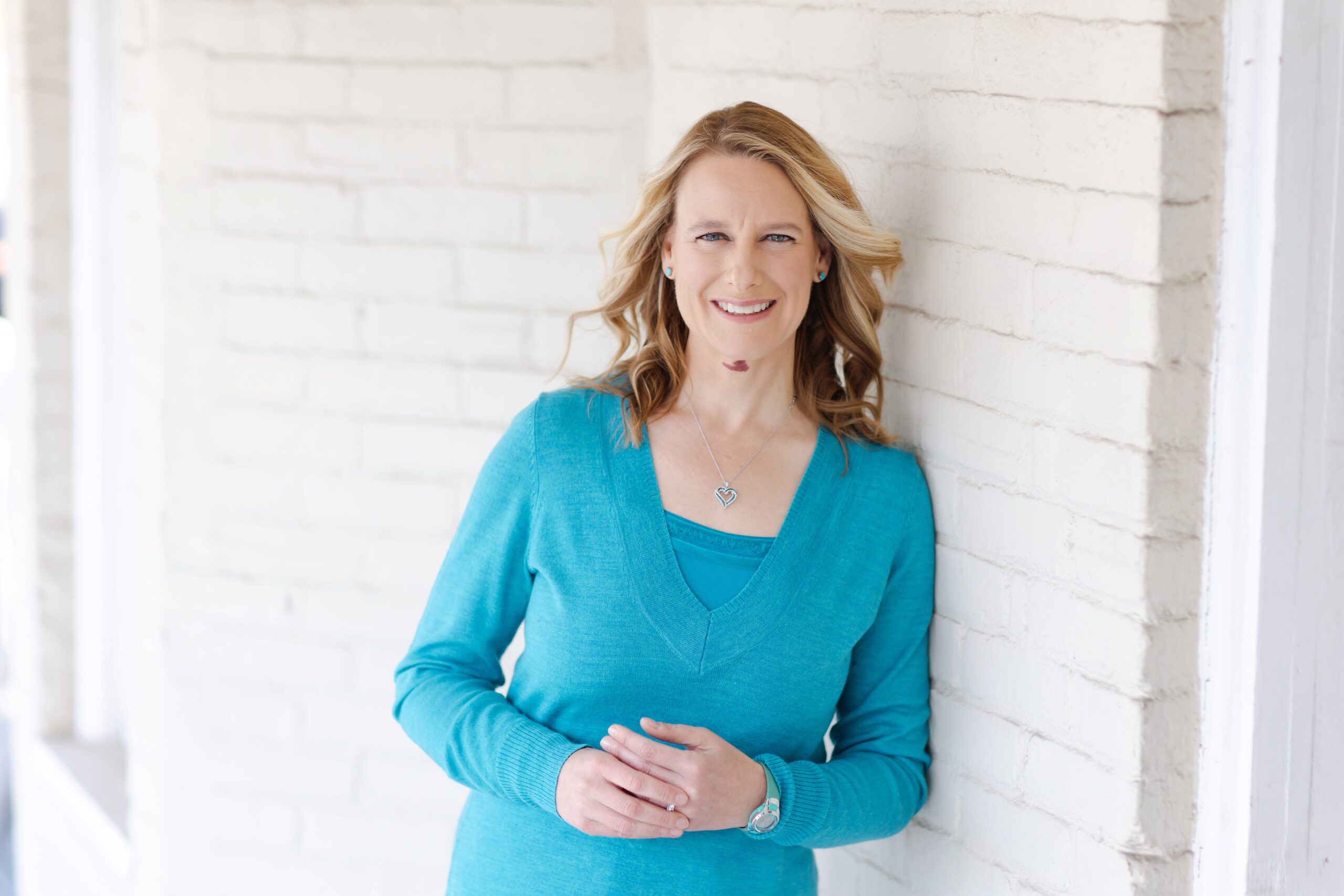
Photo Courtesy of Dr. Christy Arthur
Editor’s Note: Learn more about chronic health tips and much more in our podcast medical episode, featuring Dr. Christy Arthur, RevIVe Hydration Roanoke and Top Docs 2024 cover winner Dr. Al Hagy, Jr.
What do you do when you just don’t feel well and don’t know why?
Dr. Christy Arthur, a private practice physician and owner of Ultra Primary Care at The Center for Ultra Health, offers suggestions for getting a diagnosis and what to do once you have a diagnosis for a chronic illness.
Arthur says the following can help you get to a diagnosis:
- Make sure you have an accurate history of what is happening to your body. Keep a timeline, a detailed description of your symptoms, what made them better or worse, what treatments you have tried and their outcomes.
- Know your family history, especially regarding cancer, autoimmune diseases, genetic diseases and heart disease because that could be a clue for doctors. If you have a hunch about what you think it could be, don’t be afraid to share that. Your own intuition can be valuable, but also be open-minded and give the doctor as many facts as you can.
- Find a doctor who actively supports you to tell your story. Some markers of this will be that he/she allows you time to tell your story while guiding you to provide the important details. They should put you at ease and you should feel comfortable sharing potentially embarrassing health details.
- Once you have some testing done, keep your own copies of all the results, and who ordered them. Sometimes there are multiple sites of care like the emergency room, specialty office, primary care office, and ancillary services like physical therapy. While many of these providers can share information, it can be cumbersome. Keeping your own file helps to streamline care.
- If you don’t understand something, ask. You should be very clear about why any test is being done—i.e., what is the test going to tell us? What are the next steps after the test? Why are you seeing a certain specialist (what question is it that they are expected to answer?). It can help the doctor to understand your situation better based on how you frame out the question.
- Often, it takes many appointments and tests to get a diagnosis, and it can feel easier to postpone things, or to hope things will get better on their own.
“They rarely do,” says Arthur. “Stay the course and keep your appointments and test. If that feels impossible, talk to your doctor. They may be able to spread out the testing/specialty appointments.”
After you have a diagnosis, she suggests getting information from reputable sources and ensuring you understand the plan your care team has provided.
“If you don’t, ask questions,” she says. “Avoid the trap of ‘going rogue’ and stopping medications or canceling follow up appointments or specialty appointments without any physician input. In many cases, you end up back at square one, and ultimately it delays you feeling better.”
Additionally, she suggests staying in contact with your medical team and listening to your intuition. If you feel something may be off, talk to your care team about it.
“I had a patient who was diagnosed with multiple sclerosis,” says Arthur. “It took a while to get the right diagnosis, but she leveraged her social network to find a doctor out of state who accepted her insurance.”
Her patient’s diagnosis was a catalyst for her to help others by becoming involved in the local MS society.
“Through it all, she maintained a positive outlook, even when she was unable to do the things she used to be able to do without thinking,” shares Arthur. “She kept her mindset strong, and I believe that ultimately helped her to cope well.”
Living with a chronic illness can feel overwhelming and isolating. To help manage those feelings, join support groups and online groups with others having a similar experience. Allow friends and family to help as they are able.
Arthur emphasizes that managing your stress and anxiety is paramount so do things that restore you such as hiking, journaling or taking a bath. Get as much self-care as possible and focus on what you can do to keep a positive mindset.
Allow yourself to feel all the feelings as it can be a roller coaster ride. Accept what is and find ways to enjoy life. Seek out things that help you feel your best physically, mentally, emotionally and spiritually. Give yourself grace as you adjust and learn new ways to navigate life.